A work radio system for waterworks field crews. Like a real radio, only one person transmits per channel at a time — and every transmission is kept on the server to be replayed later.
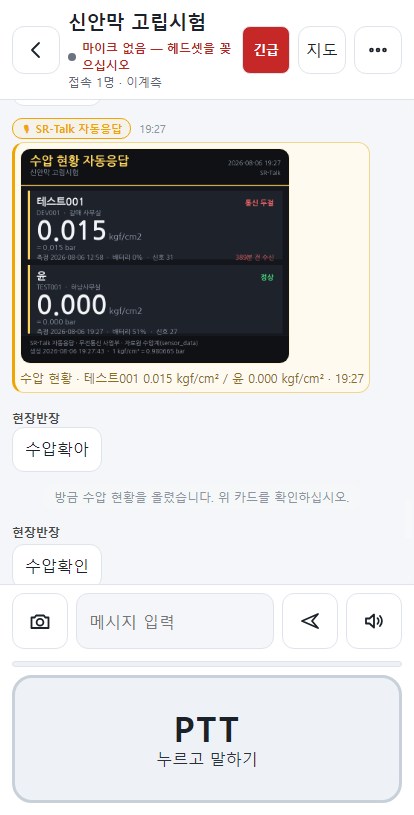
Two things set it apart from a handheld radio. First, voice, photos, location and emergency calls all live in one place, so what happened and where stays on the record. Second, it is wired into the pressure monitoring system: one spoken command posts the current reading for the assigned device straight into the channel.
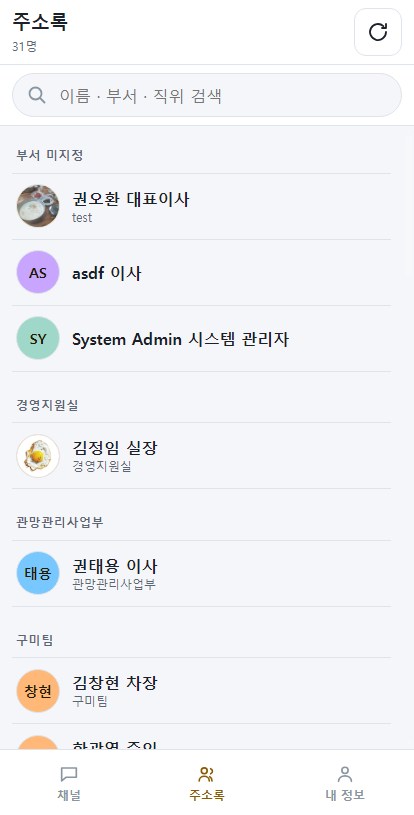
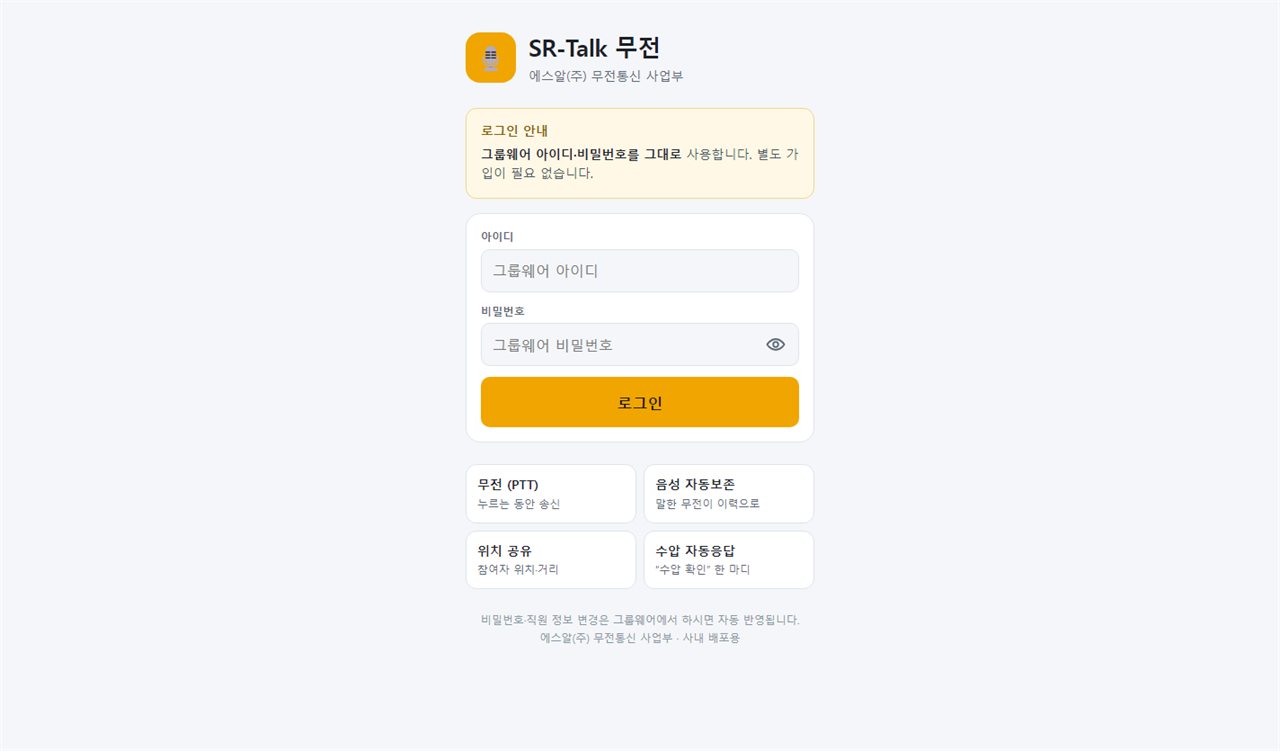
Captured directly from the running system. Only personal names have been masked.
It behaves like a real radio: only one person may transmit on a channel, and anyone else keying up is told to wait.
Every transmission is stored on the server for replay, so anyone who stepped away can catch up on what they missed.
One button alerts everyone on the channel at once, carrying the caller’s location and keeping it updated.
See where channel members are and how far apart they are, so you know instantly who is closest to a site.
Call “check pressure” over the radio and the current readings for the devices linked to that channel appear as a formatted card.
If the relay carrying the audio stops, the system notices within 60 seconds and restarts it — cutting the time crews are off the air.
| Mobile | Signed Android application |
| Desktop | Windows installer and portable build |
| Updates | In-app version check and update |
| Field handling | Keep-awake, status-bar alerts, battery exemption |
| Transport | Encrypted end to end (TLS, secure WebSocket) |
| Relay port | Bound internally — no direct external access |
| Accounts | Groupware-linked, passwords not stored |
| Lockout | Account lock after repeated failures |
| Other systems | External data such as pressure is read-only by force |
| Attachments | Images validated on upload, execution blocked |
| Audit | Sign-in, transmit and SOS events all logged |
| Export | CSV/ZIP within period and volume limits |
Built by SR for waterworks fieldwork — and used by our own crews. We will demonstrate on the live system.